New York City·California·London·Dubai·Singapore·Online Globally
A World Class Training system for World Schools debate (WSDC)
Elite online World Schools Debate (WSDC) coaching, designed and taught by former world debate champions. A structured curriculum, judged practice rounds, and written feedback after every session.
Our students got accepted into






- 500+
- students coached by our team
- 120+
- awards in the 2025–26 debate season
- 100%
- of coaches hold WUDC or APDA awards
- 87%
- semester-to-semester renewal rate
Four programs. Start anywhere.
Whether your student is brand new to debate, converting from PF or LD, or already competing in the format, one of these four is the right entry point. The same training system runs through all of them. All four are live online debate classes for kids and teens, taught in small groups on US time zones.
Step 1
Foundation
An introduction to World Schools Debate for students new to the format: speech roles, argument construction, POIs, and monthly practice debates. Junior and Senior groups.
Ages 9–12 · 13–16 · Beginner
Learn more
Step 2 · Most popular
Competition Team
Our flagship year-round program: a weekly 2-hour class, a weekly practice debate, prep on live tournament motions, and tournament support through the season. Junior and Senior squads.
Ages 11–14 · 14–17 · Intermediate
Learn more
Step 3
National Team Sprint
An invitation-only squad for our most advanced competitors: two classes a week plus a weekly practice debate, built around national-circuit breaks, NSDA Nationals, and national-team selection.
Ages 14–18 · Advanced
Learn more
Step 4
1-on-1 Coaching
Private sessions with a World Schools specialist: speech redos, round reviews, impromptu drills, or application prep, depending on what the student needs.
Ages 11–18 · All Levels
Learn more
Meet the coaches
Competitors and adjudicators from Oxford, Harvard, Yale, Brown, Columbia, and LSE, with international coaching experience up to national-squad level.
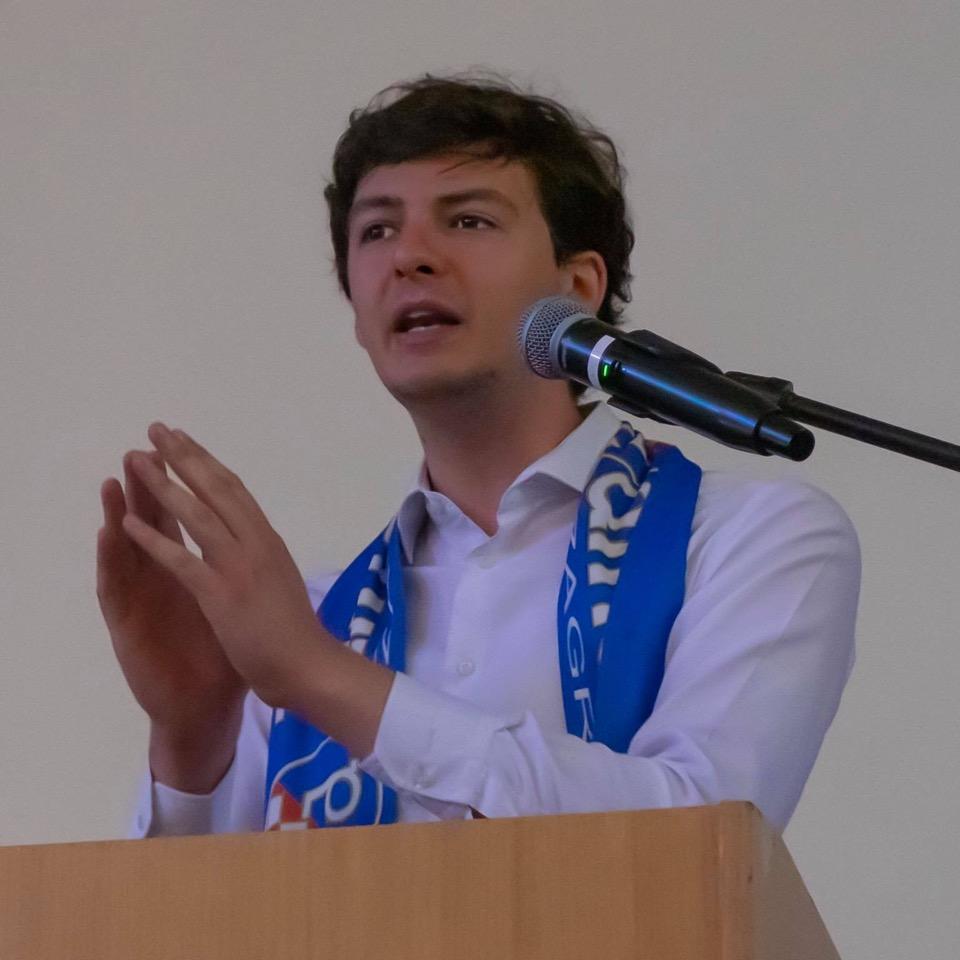
Tin Puljić
2021 World Universities Debating Champion
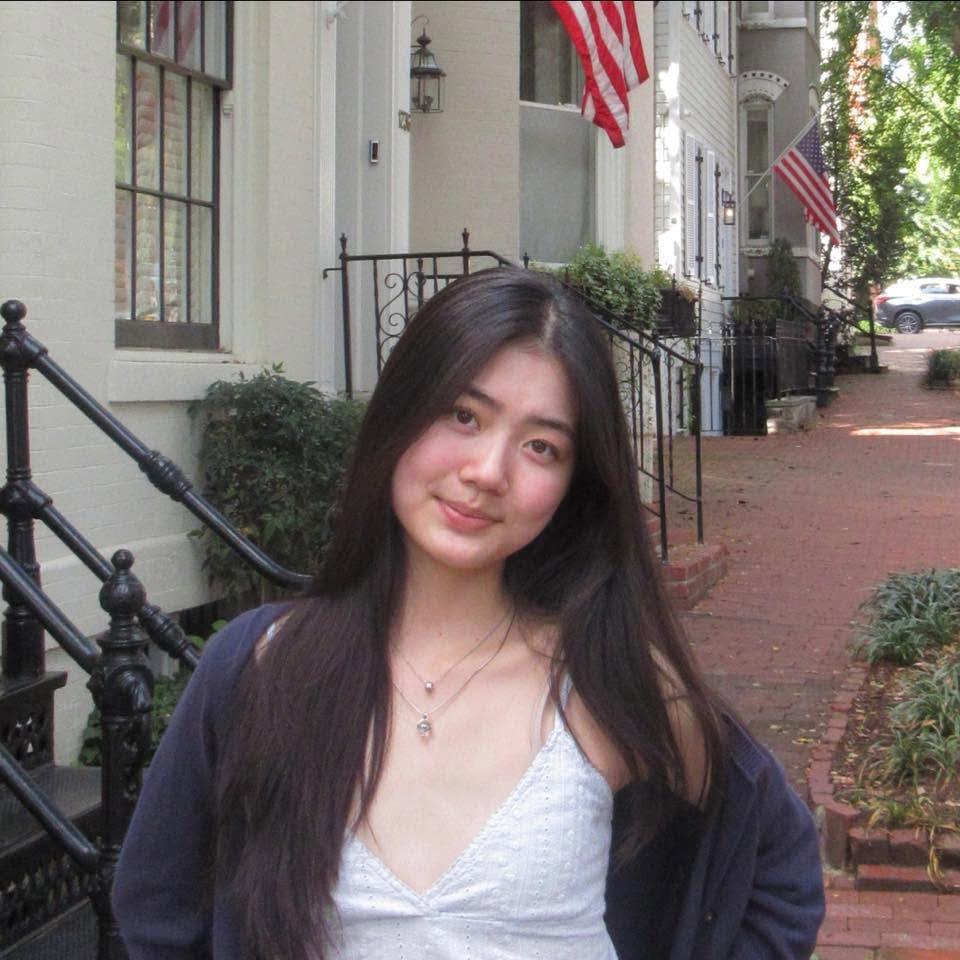
Cailyn Min
Best Open Speaker, WSDC 2025
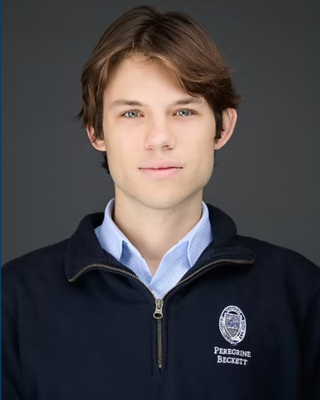
Peregrine Beckett
Head-coached the Columbia Debate Society

Biser Angelov
Coaches Bulgaria’s national team
Coaching from inside the format
Exceptional competition results
The roster includes a World Universities Debating Champion, the Best Open Speaker at WSDC 2025, and champions and top speakers from Harvard, Stanford, and Oxford. Students learn the format from people who have won at its highest levels.
National team coaching experience
Our coaches have trained and competed for national squads, including Team Bulgaria, Team Philippines, and Team Croatia, plus past members of Team USA. They know WSDC firsthand: the motions, the judging culture, and what selection takes.
Direct feedback and progress reports
Instead of a vague “great job today,” every session produces written feedback tied to the 40/40/20 criteria, and every judged round ends with a full oral adjudication. Students always know what to fix next.
The format that emphasizes eloquence, impromptu speaking, and content generation
World Schools Debate is the format of the World Schools Debating Championships, where roughly 60 national teams compete every year. In the US it's now an official NSDA event with its own invitational at Nationals, full state divisions in Texas, Florida, and Indiana, and a Tournament of Champions division.
Three speakers per side. Eight-minute speeches. Half the motions impromptu, prepped in one hour with no internet and no coaches. Judged 40% on style, 40% on content, 20% on strategy. There's nowhere to hide behind evidence dumps or speed, which is exactly why the format rewards training.
3 v 3
Teams of 3–5; three speak each round
8 min
Substantive speeches, plus 4-minute replies
1 hour
Impromptu prep: no internet, no coaches
40/40/20
Style, content, strategy judging
The results
What the training leads to
The skills the format rewards are the ones selective admissions screen for. Top performers reach elite universities at many times the normal rate. Four ways to see it.
Higher admit rate
Debaters reach elite universities at many times the normal rate
71% of Team USA went to an Ivy, US Top-30, or Oxbridge, against a roughly 5% general rate. And the higher a debater ranks in the world, the wider the gap.
By cohort
Share attending an Ivy, US Top-30, or Oxbridge school.
By world rank
Cracking the world top 10 roughly doubles the rate.
Destinations
A Harvard story: eight of the 42 alumni
USA Debate alumni by college, classes of 2014 to 2020.
Ivy + Oxbridge
Even Ivy or Oxbridge only, the gap holds
Counting only Ivy League and Oxbridge admits, the pattern holds. Each grid shows 100 students.
General applicant
~5 in 100
Ivy or Oxbridge admit
Top-10 WSDC speaker
54 in 100
7 of 13 traced
Team USA speaker
43 in 100
18 of 42 alumni
Every round in our program ends the same way: a judge's mark against the 40/40/20 criteria and written notes on what to change before the next session. That loop, repeated week after week, is where debaters are made.
The WSDC Prep training loop
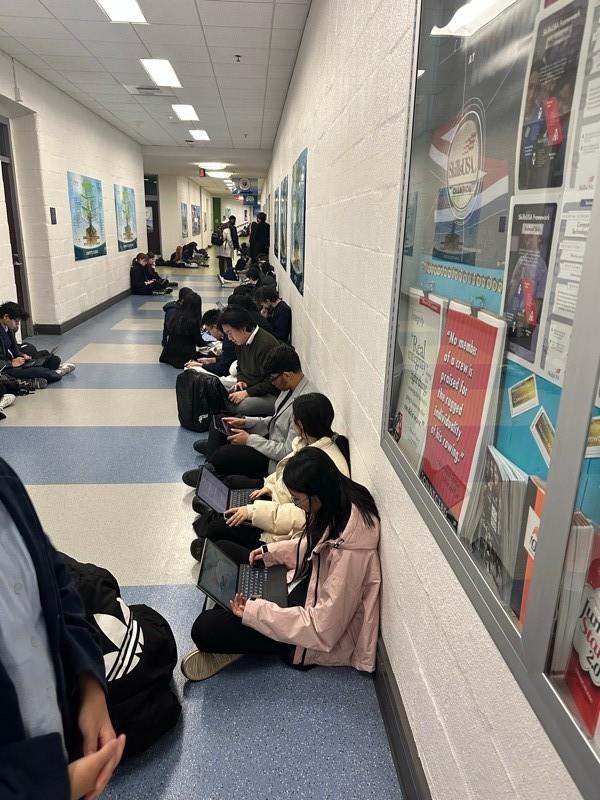
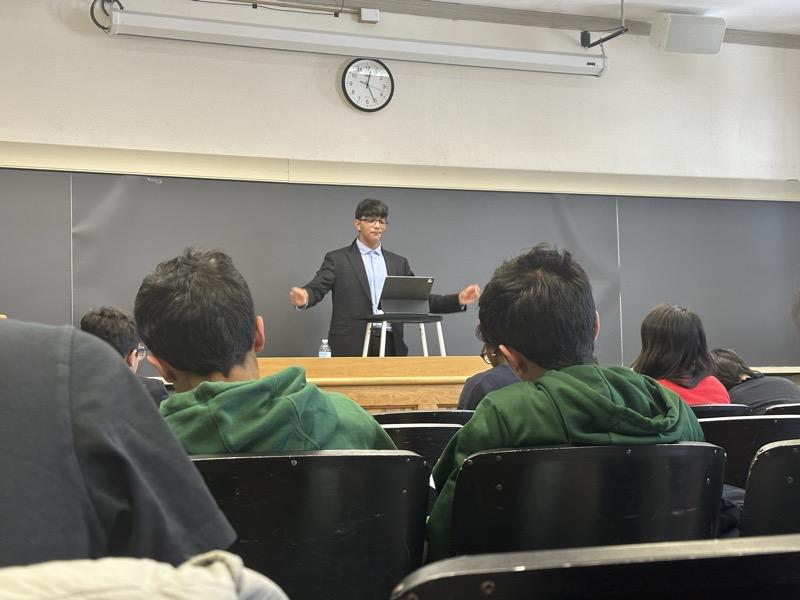
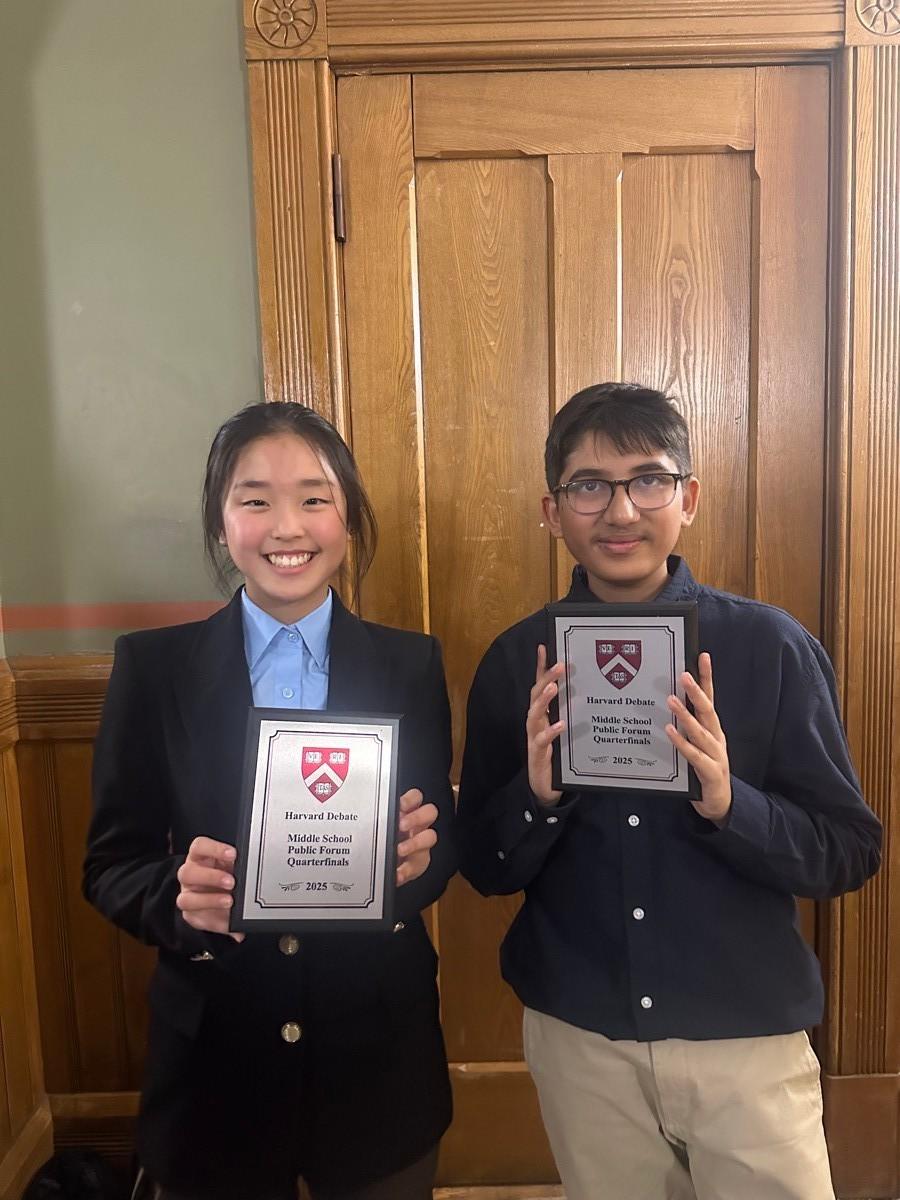
Scenes from the season
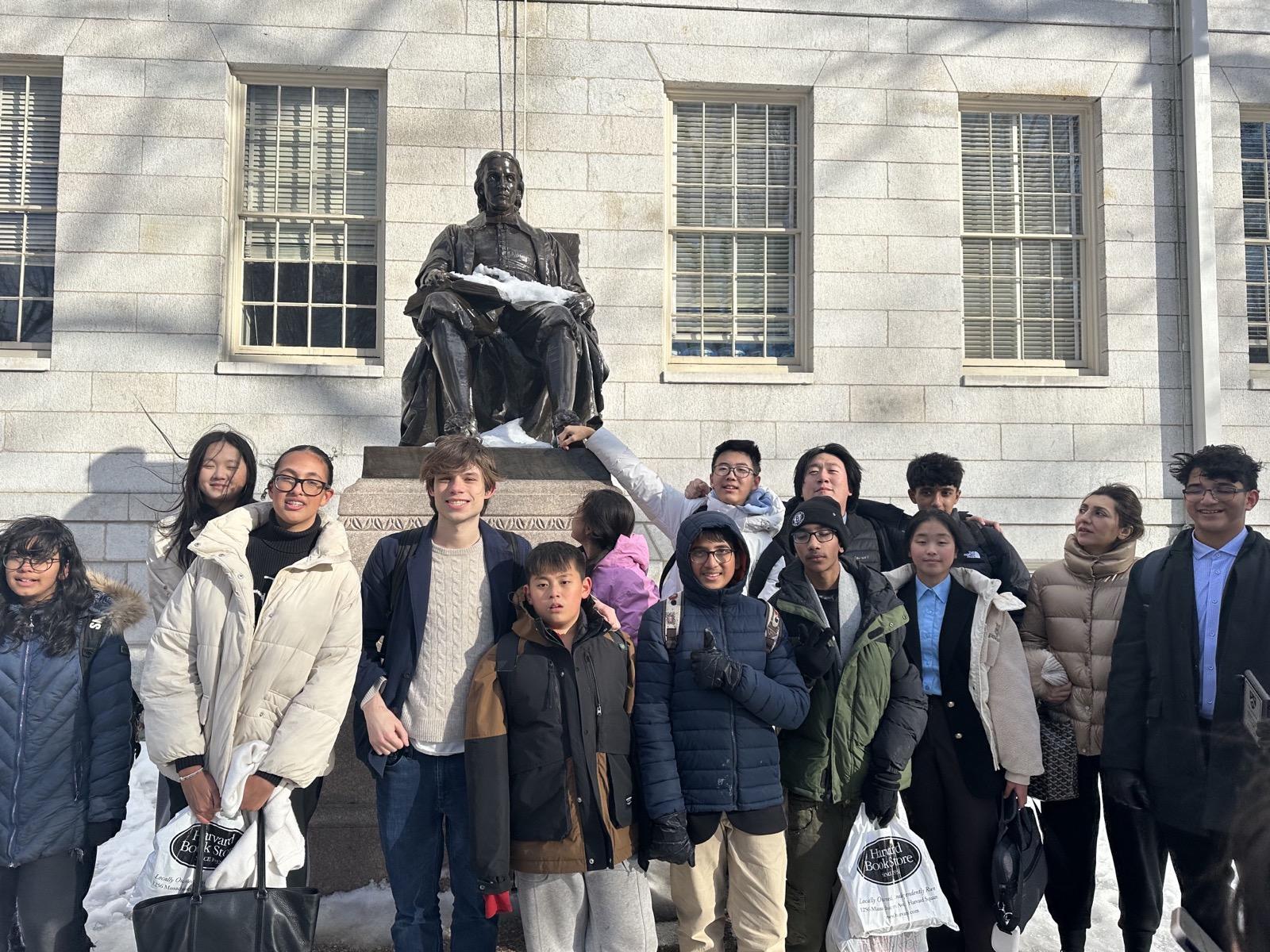
Photos from our coaching team's recent tournaments.
How training works
Most debate programs teach content and hope it shows up in rounds. We train the way competitive squads prepare: a loop of drilling, competing, and reviewing that runs all season.
Drill
A structured curriculum where every exercise maps to the 40/40/20 judging criteria: style work, casebuilding reps, and one-hour impromptu prep cycles under the real clock.
Compete
Judged practice rounds on real tournament motions, every training cycle, run under competition conditions rather than classroom conditions.
Review
Every round ends with a full oral adjudication. Every session ends with written feedback the student (and you) can actually read.
Progress
We track development against the judging criteria across the season, so you always know where your student is placed, what their weak spots are, and what comes next.
Full class schedule
Every group class in Term 1, in your timezone. Each program runs Junior and Senior groups with two time-slot options; a coach confirms the slot when you enroll.
Fridays
- 8:00 AM – 10:00 AM EDTCompetition Team · Junior · Option A
Saturdays
- 10:00 AM – 12:00 PM EDTCompetition Team · Senior · Option A
- 12:00 PM – 2:00 PM EDTFoundation · Senior · Option A
- 1:00 PM – 3:00 PM EDTFoundation · Junior · Option A
- 1:00 PM – 3:00 PM EDTCompetition Team · Junior · Option B
Sundays
- 7:00 AM – 9:00 AM EDTFoundation · Junior · Option B
- 8:00 AM – 10:00 AM EDTCompetition Team · Senior · Option B
- 9:00 AM – 11:00 AM EDTFoundation · Senior · Option B
Common questions
What is World Schools Debate?
+
World Schools Debate is the international debate format used at the World Schools Debating Championships, where roughly 60 national teams compete each year. Teams of three (from rosters of 3–5) debate motions phrased as “This House…”, some prepared in advance and some impromptu with one hour of prep. Each debater gives an 8-minute speech, followed by 4-minute reply speeches. In the US, it is an official NSDA event with its own competition at the National Tournament.
How is World Schools different from Public Forum or Lincoln-Douglas?
+
Three big differences: it’s a three-speaker team format rather than partners or solo; judging explicitly weighs Style at 40%, Content at 40%, and Strategy at 20%, so persuasive delivery matters as much as evidence; and roughly half the motions are impromptu, released one hour before the round with no internet or coach help allowed, so students have to think on their feet rather than lean on research. Many of our students convert from PF or LD and find the skills transfer directly.
What is USA Debate and how do students make the team?
+
USA Debate is the NSDA-run national team that represents the United States at the World Schools Debating Championships. The team won the world title in 2023. Students apply each spring (the 2026–27 application window ran April 1 to June 25) with an online application, coach recommendations, and video recordings responding to three provided motions. Applicants must be active NSDA members, US citizens or longtime permanent residents, and within the WSDC age window. Strong applicants who aren’t selected may be offered the Development Team.
My student has never debated before. Where should they start?
+
World Schools Foundations, our 8-week introduction for ages 11–15. It assumes zero debate experience and ends with judged practice rounds. Students coming from PF, LD, or MUN can usually start there too, or jump straight to the Competition Team after a placement conversation with our coaches.
Are classes online? What time zones do you serve?
+
All programs run live online, scheduled for US time zones: evenings ET/CT/PT on weekdays plus weekend slots. We are a US-based program; sessions are built around American school schedules and the American competitive calendar (district qualifiers, state series, NSDA Nationals).
Who are the coaches?
+
Every coach has competed or adjudicated at international level in the World Schools format or its university equivalents. The team includes a former Columbia Debate Society head coach, competitors from Harvard, Yale, Brown, Oxford, and LSE, and coaches with national-squad coaching experience.
Beyond debate
Interested in writing competitions?
Our coaches also prepare students for the essay competitions and student journals that admissions officers recognise. Pick a package below and pay on this site; the coaching is delivered by our sister academy, Atlantic Ivy, and a coach confirms class times by email after checkout.
- Journal
Curieux Academic Journal
A youth-led non-profit journal publishing research papers by high school and middle school students in any subject, year-round.
Rolling submissions
- Essay
Harvard International Review Academic Writing Contest
Harvard's undergraduate journal of international affairs runs three contest cycles a year; medallists defend their essay on Defense Day.
Register with HIR by 25 Oct 2026
- Team
International Public Policy Forum
Written policy debate in teams: a qualifying essay, then knockout rounds of written cases, ending in oral finals at NYU School of Law.
Registration and qualifying essay due 13 Oct 2026
- Essay
John Locke Institute Essay Competition
Seven subject categories, 2,000 words, and an Oxford awards ceremony.
2027 dates expected
- Journal
Polyphony Lit
A student-edited international literary magazine for high school writers.
Window closes (or at 200 pieces) by 30 Nov 2026
- Essay
The Concord Review
The only journal that publishes the academic history research of secondary students, founded 1987.
Submission deadline 1 Nov 2026
- Journal
The Schola
A quarterly online journal of humanities and social-science essays by high school students.
Rolling submissions
The full calendar, with every deadline and our preparation options, is on Atlantic Ivy's competitions page.
Start with a free consultation
A short call to tell us about your student and get an honest recommendation on where to start.
Book a Consultation