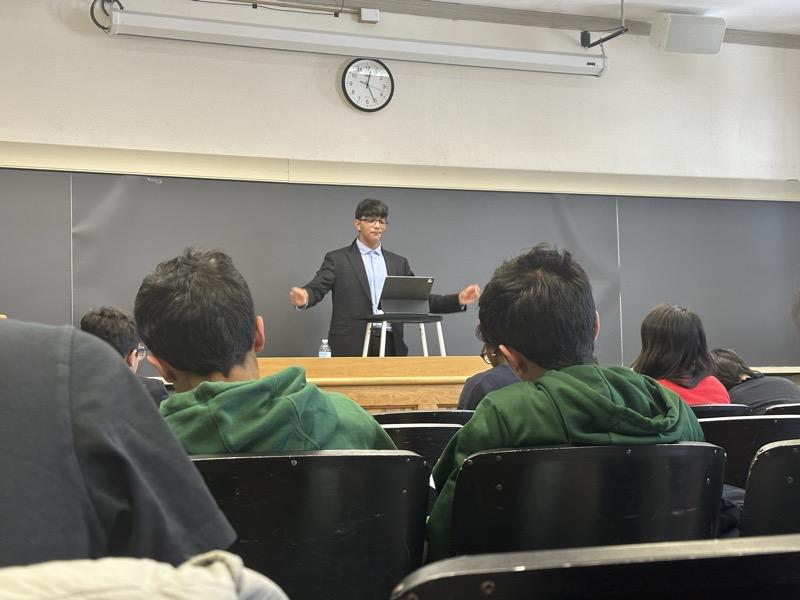

Speech 1 · Proposition
First Proposition: Framing, model, two arguments
Every evening, millions of children sit at a kitchen table doing work that the research says teaches them very little, while the thing that would actually help them, sleep, play and time with their families, gets squeezed out. We are proud to propose.
Our model is simple. Schools up to age sixteen may not set compulsory work to be completed at home. Reading for pleasure and optional practice material remain available. Teachers keep every minute of class time; they lose only the right to extend the school day into the home.
The debate comes down to one question: does homework produce enough learning to justify what it costs children and families? Our first speaker will show that the learning is small; I will also show that the cost is real. Our second speaker will show that homework widens the gap between rich and poor children.
First, homework teaches less than people assume. A child who has not understood fractions in class does not understand them better alone at nine at night with no teacher in the room. They either guess, copy, or have a parent do it. Meta-analyses of homework studies find little or no benefit for primary-age children, and only a modest effect for teenagers, most of which comes from short, well-designed tasks that are the exception rather than the rule. Because the benefit is small, even a modest cost outweighs it.
Second, the cost is not modest. Children who are tired learn worse the next day, so homework eats the lesson it was meant to support. Families fight about it. Sport, music and friendships lose hours every week. These are the years in which children learn how to be people, and we are spending them on worksheets.
So the question for the judge is simple: a small learning gain, against a large cost to sleep, family life and childhood itself. We say ban it. Proud to propose.