Online debate classes for kids and teens
Live, small-group debate classes for ages 9 to 18: a structured curriculum, judged practice debates, and written feedback after every session. Scheduled for US time zones, joined from anywhere.
Why an online class can out-teach the club down the street
The core skills of debate (building arguments, taking them apart, weighing what is left) are taught, drilled, and judged exactly as well over live video as in a classroom. Online adds two things a local club cannot: a debate coach chosen from a national roster rather than whoever lives nearby, and opponents from across the country, so a strong student is never the big fish in a six-person pond. What it removes is the commute. What it must not remove is the debating itself, which is why every class here builds toward real, judged practice rounds rather than lectures.
The two group classes
Foundation (ages 9–16, beginner)
For students starting from zero: 14 weekly 2-hour sessions in a group of 6 to 8, with a monthly judged practice debate. Junior and senior age groups.
About the Foundation classCompetition Team (ages 11–17)
For students who want to compete: weekly training plus a judged practice debate every week, feedback written against the real judging criteria.
About the Competition TeamPrefer one student, one coach? Private 1-on-1 coaching runs on the same system with a flexible schedule, and each summer a two-week online debate camp compresses the beginner curriculum into six sessions. The same course runs over the winter break as the winter debate camp.
One format, taught properly
Our classes teach World Schools Debate, the international 3-on-3 format used at NSDA Nationals and the world championships. It rewards clear speaking as much as content (judges score style at 40%), half its motions are impromptu, and every student speaks every round, which makes it the strongest teaching format we know for this age range. Shopping around first is reasonable, and the checklist below is the one we would use on any provider, including us.
How to choose an online debate class
Online debate classes range from $15 drop-in sessions to four-figure competitive academies, described in nearly identical language. The difference is not the Zoom link. It is whether the class is a training system or a weekly lecture. Students do not improve from being told about debate; they improve from debating, being judged, and hearing what to fix. Look for four things:
- A curriculum with an order. Skills stack week over week, not a topic of the week.
- Real practice rounds. Students debate other students, not just the teacher.
- Qualified judging. Someone who knows the format scores those rounds.
- Written feedback. Notes that survive past dinner, so the next session starts from what needs fixing.
A class missing two of the four is an enrichment activity. That can be fine, as long as it is priced and chosen as one. Marketplace classes are a good low-commitment way to find out whether a child enjoys arguing a side at all; treat them as the taste test, not the training plan. Before paying for a term anywhere, ask for the curriculum in writing, ask how many judged practice debates a student gets, and ask what feedback looks like after a session.
Debate classes by age
Students train with peers at their own stage, so each class runs separate age groups. Here is where a student usually starts.
Kids, ages 9 to 12
Younger students start in the Foundation junior group (ages 9 to 12). Nobody is expected to have debated before. The early weeks are about standing up, making one clear point, and answering a question about it, then building that into a full speech.
Middle school
A middle schooler new to debate joins Foundation in the group that matches their age. One who already competes, or has a season of experience, can go straight to the Competition Team junior group (ages 11 to 14), which runs a judged practice debate every week.
High school
High school beginners take the Foundation senior group (ages 13 to 16). Competing debaters join the Competition Team senior group (ages 14 to 17), which preps live tournament motions and supports students through district, state, and national-circuit events. For tryouts, NSDA Nationals, or a specific weakness, 1-on-1 debate coaching adds private sessions on top. Students who want to arrive knowing the basics can read our beginner’s guide to how to debate first; the Foundation class picks up where it ends.
Unsure which group fits? A coach confirms placement by grade and experience at enrollment, or a free consultation ends with a recommendation.
What a two-hour class looks like
A typical Foundation session, start to finish. Every class ends in real speaking, so a concept taught at the start of the session gets used in a judged round before it ends.
- 0:00
Warm-up
A short speaking or thinking drill to get students talking before the pressure is on.
- 0:15
Concept of the week
One idea taught directly: a speaker role, an argument structure, or how POIs work, with examples.
- 0:40
Guided drilling
Students practice the concept in pairs or small groups while the coach circulates and corrects.
- 1:20
Applied round
A short judged debate applying the week’s skill, so every concept ends in real speaking, not theory.
- 1:50
Feedback
The coach debriefs the round and each student leaves with one specific thing to work on.
The Competition Team session swaps the warm-up and concept block for a debrief of last week's round and a live tournament motion, and adds a full judged debate every week. Written feedback after each round is scored against the same judging criteria tournament judges use.
What online debate classes cost
Group classes are billed by the term: 14 weekly sessions of 2 hours each. Classes run September 1 to December 18, 2026. Late joiners are welcome and get catch-up materials.
- Foundation$756 per termabout $27 per hour of live teaching
- Competition Team$980 per termabout $35 per hour, weekly judged debates included
- Private 1-on-1 coaching$120 per hour$80 diagnostic session; packages from $1,000 for 10 hours
Refunds are in full within 7 days of enrolling, as long as the student has not yet attended a second session. Current prices and enrollment are on the programs page.
Coming from Public Forum, Lincoln-Douglas, or policy?
Most American school teams compete in Public Forum or Lincoln-Douglas, and many of our students still do. We only teach World Schools, and we say so plainly. What transfers is the core: building an argument with a real warrant, taking the other side's apart, weighing what is left, and speaking so a judge can follow you. Students who add World Schools usually find their PF or LD rebuttals get sharper, because every speaker has to engage live with the other team. The World Schools vs Public Forum comparison lays out the differences side by side.
Full class schedule
Every group class in Term 1, in your timezone. Each program runs Junior and Senior groups with two time-slot options; a coach confirms the slot when you enroll.
Fridays
- 8:00 AM – 10:00 AM EDTCompetition Team · Junior · Option A
Saturdays
- 10:00 AM – 12:00 PM EDTCompetition Team · Senior · Option A
- 12:00 PM – 2:00 PM EDTFoundation · Senior · Option A
- 1:00 PM – 3:00 PM EDTFoundation · Junior · Option A
- 1:00 PM – 3:00 PM EDTCompetition Team · Junior · Option B
Sundays
- 7:00 AM – 9:00 AM ESTFoundation · Junior · Option B
- 8:00 AM – 10:00 AM ESTCompetition Team · Senior · Option B
- 9:00 AM – 11:00 AM ESTFoundation · Senior · Option B
Who you'll train with
Every program is taught by national-team coaches and championship finalists, the same roster across the pathway.

Tin Puljić
2021 World Universities Debating Champion
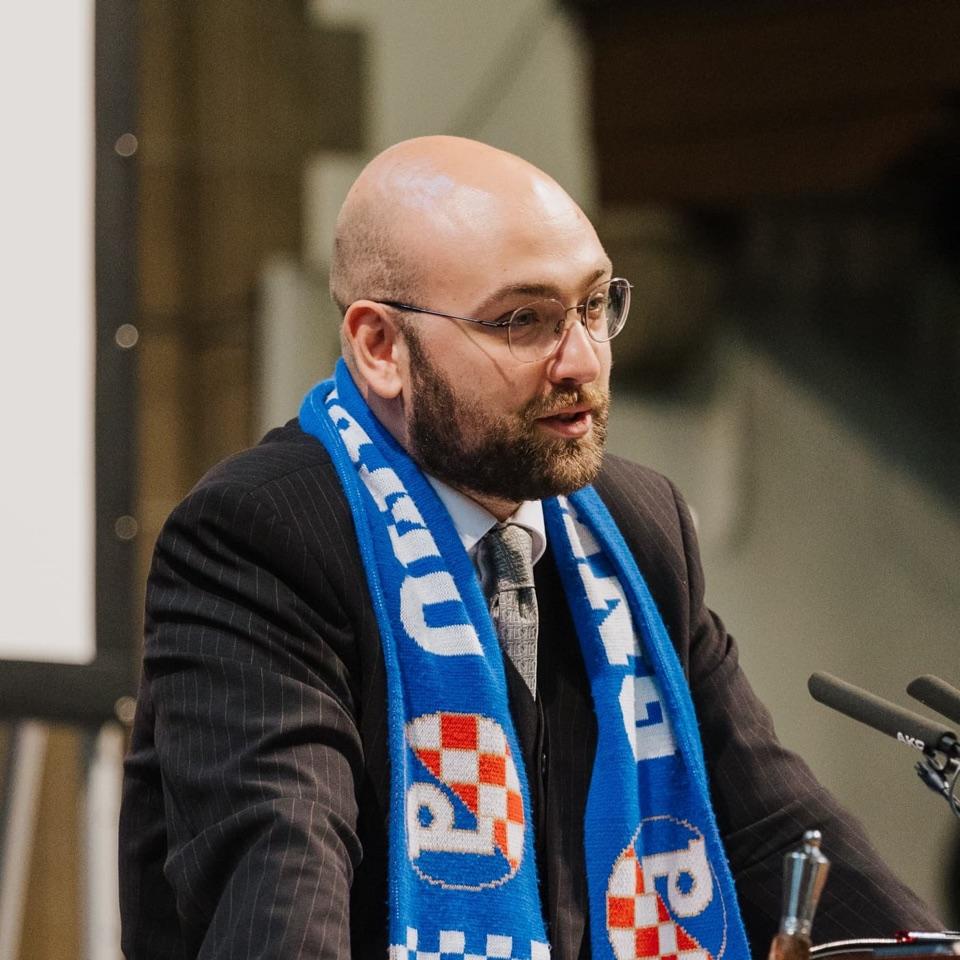
Petar Znidar
2025 European Universities Debating Champion

Cailyn Min
Best Open Speaker, WSDC 2025

Peregrine Beckett
Head-coached the Columbia Debate Society

Biser Angelov
Coaches Bulgaria’s national team
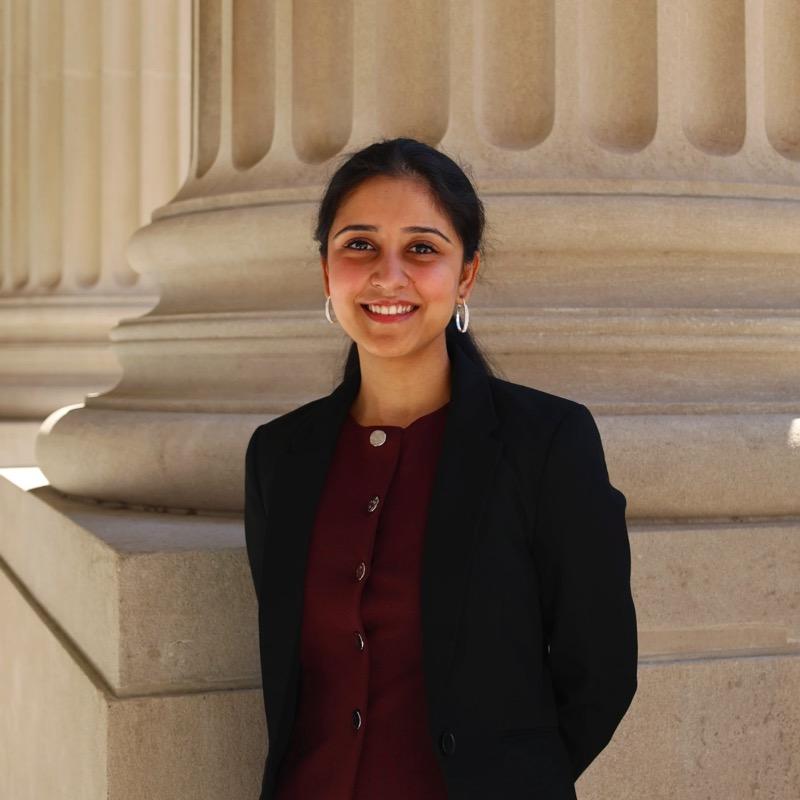
Netra Easwaran
Yale Debate Association

Mac Hays
4th Place, NSDA Nationals

Zach Fleeser
Oxford · Multiple TOC qualifications

Matt Mauriello
Harvard College Debating Union
Common questions
How much do online debate classes cost?
+
Our group classes work out to $27 to $35 per hour of live instruction, billed by the term (14 weekly 2-hour sessions). Private 1-on-1 coaching is $120 per hour with an $80 diagnostic session. The programs page lists current prices for everything.
What ages are the classes for?
+
Ages 9 to 18. The beginner Foundation class runs junior (9 to 12) and senior (13 to 16) groups; the Competition Team runs 11 to 14 and 14 to 17. You pick the age group and time slot at enrollment, and a coach confirms placement by grade.
How do time zones work for a live online class?
+
Classes are anchored to US Eastern time with slots chosen for American school schedules, and every schedule on the site converts automatically to your local time zone. Students join from across the country; the roster is not tied to one city.
What does a typical class session look like?
+
Two hours, live, in a group of 6 to 8: a skill block, drills on that skill, and debating. Classes build toward judged practice rounds, and feedback after sessions is written down, so parents and students can see what was fixed and what comes next.
Do you teach Public Forum or Lincoln-Douglas?
+
No. Every class teaches World Schools debate. Plenty of our students also compete in Public Forum, Lincoln-Douglas, or Model UN at school, and the core skills (building an argument, refuting one, weighing the clash, speaking clearly) carry straight across. If your child only wants PF or LD coaching, a specialist in that format will serve them better.
Can a complete beginner join an online debate class?
+
Yes. The Foundation class assumes no experience at all; a student who has never given a speech is exactly who it is built for. The first sessions cover what a round looks like and what each speaker does before anyone debates.
Not sure which class fits?
A short free call ends with one named class and the reason it is that one. No pressure to decide on the call.
Book a Free Consultation